Step-by-Step Guide: Netgear Extender Setup via 192.168.1.250
If you’ve got a Netgear WiFi extender and you’re trying to set it up, you’ve probably run into that weird login page at 192.168.1.250. It’s not some random IP from nowhere, that’s just the local address the extender uses so you can get inside the setup menu.
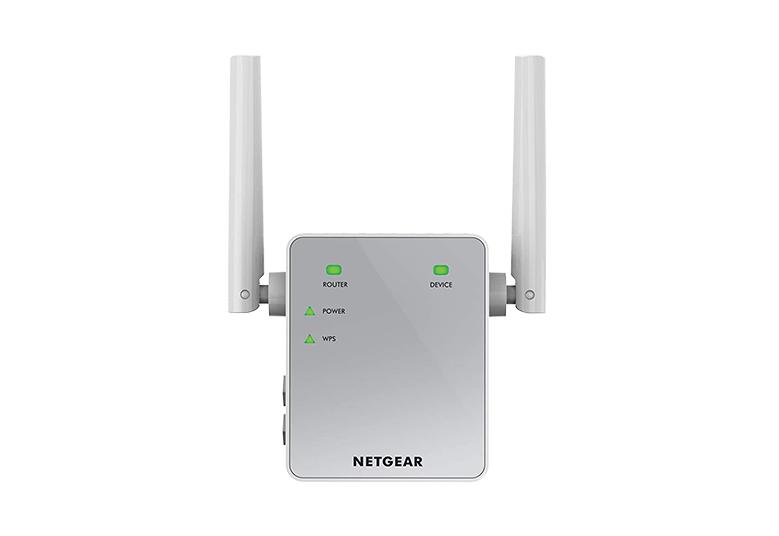
This guide is basically the exact process about the plain
steps that’ll take you from unboxing to having your extender up and running
through Netgear
extender setup.
How to Setup Your Extender via
192.168.1.250?
Plug it in.
Stick the extender in an outlet halfway between your router and the spot where
WiFi deals really bad. Doesn’t have to be perfect—you can move it later. Wait
for the lights to settle.
Connect to the extender’s WiFi.
On your laptop or phone, look for a network name like NETGEAR_EXT. It’s open at
first, no password. Connect to that.
Open up a browser.
Go to http://192.168.1.250 or sometimes mywifiext.net setup page. Both should
land you on the Netgear setup page. If it doesn’t load, make sure you’re
actually connected to the extender’s WiFi, not your main router.
Log in.
Default username is admin, password is password (yeah, I know). If it’s been
set before and you don’t know it, reset the extender—there’s a tiny pinhole
button on the side/back. Hold it for ~10 seconds.
Follow the setup wizard.
It’ll scan for available WiFi networks. Pick your main one, type the password,
hit next. Do it again if you’ve got 2.4GHz and 5GHz. The extender will then
spit out new networks with _EXT at the end.
Reconnect.
Once it reboots, hop back on your normal device WiFi list. You’ll see something
like HomeWiFi_EXT. Connect to that with the same password you use for your main
WiFi (the extender just copies it).
Test it.
Walk into the dead zone. If your device stays connected and doesn’t crawl,
you’re good. If it still doesn’t catch signals, move the extender closer to the
router or access the Netgear
WiFi extender login page.
Other Ways of Installation
With WPS button
Look for the WPS button
On the extension. Most of the time on the side. Sometimes very small. It's
occasionally labeled, and other times it's just a button with arrows going
around it. Don't think too much about it.
Put the extension in
Outlet in the wall. For setup, keep it in the same room as your router. (You
can move it later.) Wait until the light on the electricity goes out.
Press the WPS button on the extender.
Push it once. Don't keep it down for a long time; just push it normally. The
light should start to blink. It means "I'm looking for your router."
Now press the WPS button on your router.
You normally have two minutes to do this. The light on the router should also
start to flash. They're basically shaking hands now.
Look at the lights
After a while, the WPS light on the extension should stay on. That means it
connected to your router. The WPS light on the router should do the same. It
didn't work if it just keeps flashing and then goes out. Give it another shot.
Look for the extended network.
Get your phone or computer. Check out the WiFi networks that are available. At
the end of your network name, you should see "EXT" or something like
it. That's your extension.
Link
Use the same password for your Wi-Fi network that you do for your main router.
Netgear doesn't force you to change it unless you wish to later.
Change the position of the extender
Once it's paired, unplug it and put it halfway between your router and the dead
zone. Plug it back in and wait for the lights to turn green. You are too far
away if they become orange or red.
To change the password of the extender you should get into
the mywifiext.net setup page on
your computer.
With Nighthawk App
Make the connection to the extension.
Find an outlet that is midway between the dead zone and your router. Putting it
directly next to the router will defeat the objective. Just somewhere in the
middle. Wait until the power LED is solid.
Download the Nighthawk app.
On iOS or Android. Make sure it's the real thing and not just some junk Wi-Fi
analyzer.
Connect your phone to the extender's temporary Wi-Fi.
You should see something like NETGEAR_EXT in the list of Wi-Fi networks.
Connect to that. That's normal; it doesn't have internet access yet.
Start the app.
The app should automatically find the extender once you're connected to its
Wi-Fi. If it doesn't, close it and then open it again. Log in to your Netgear
account or make one.
Follow the on-screen directions to set up the device.
It will look for the Wi-Fi signal on your router. Pick your network and enter
the password for your Wi-Fi. The extender will then make its own network with
the same name but with a _EXT at the end.
Reconnect your phone to the new, bigger network.
The app will ask you to check the connection. It will tell you if the extension
is too far away or in the proper spot. If it says "weak connection,"
move it closer to the router.
Finish and update the firmware
These items come with old firmware from Netgear. You should see a message in
the app that says "update." If it doesn't, you can check it yourself
by heading to settings > firmware update.
Done.
You should now be able to find your extender network in the Wi-Fi settings. Connect
your devices to it. Your extender will only connect to your router's Wi-Fi if
it has a "same SSID" setting. Your devices will switch automatically.


Comments
Post a Comment